
Kessler Syndrome: Avoiding the Ultimate Orbital Traffic Jam

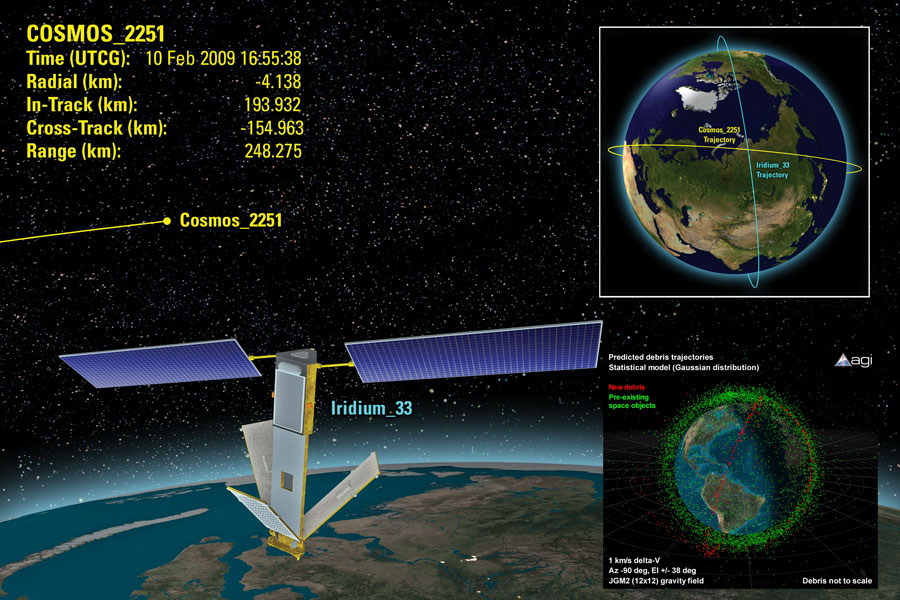
A landmark moment: the 2009 collision between Iridium 33 and Cosmos 2251. Credit: NASA/APOD.
Space is famously huge, but the neighborhood right above our heads is starting to feel a little claustrophobic. If you’ve ever been stuck in bumper-to-bumper traffic on a Friday afternoon, you know the feeling. Now, imagine that traffic is moving at 17,500 miles per hour, and a fender bender doesn’t just ruin your day, it creates a cloud of shrapnel that ruins everyone’s century.
Welcome to the concept of Kessler Syndrome. It’s the ultimate "what if" scenario for satellite operators and mission planners, and at Helvarix Systems, we spend a lot of time making sure "what if" never becomes "well, that happened."
What is Kessler Syndrome, Anyway?
Named after NASA scientist Donald Kessler, who proposed the idea in 1978, Kessler Syndrome describes a tipping point in orbital density. Think of it like a game of cosmic pool where someone just hit the cue ball way too hard.
In simple terms, it’s a Cascade Effect (also known as a chain reaction). If there are too many objects in orbit, a single collision between two satellites creates a cloud of debris. That debris then flies off and hits other satellites, creating even more debris. Eventually, the orbit becomes so cluttered with junk that it’s effectively unusable. You can’t launch through it, you can’t stay in it, and you certainly can’t get your GPS coordinates from it.
Defining the "Neighborhood": Low Earth Orbit (LEO)
Most of the action happens in Low Earth Orbit (LEO). This is the region of space reaching up to about 2,000 kilometers (1,200 miles) above Earth's surface. It’s the "prime real estate" of space. It’s where the International Space Station hangs out, where most imaging satellites live, and where massive "mega-constellations" like Starlink are currently setting up shop.
Because LEO is so popular, it’s also the most likely place for a Kessler event to start. If we don’t manage the traffic, we might find ourselves "locked" on Earth, unable to send anything into the stars because the sky is full of flying titanium confetti.
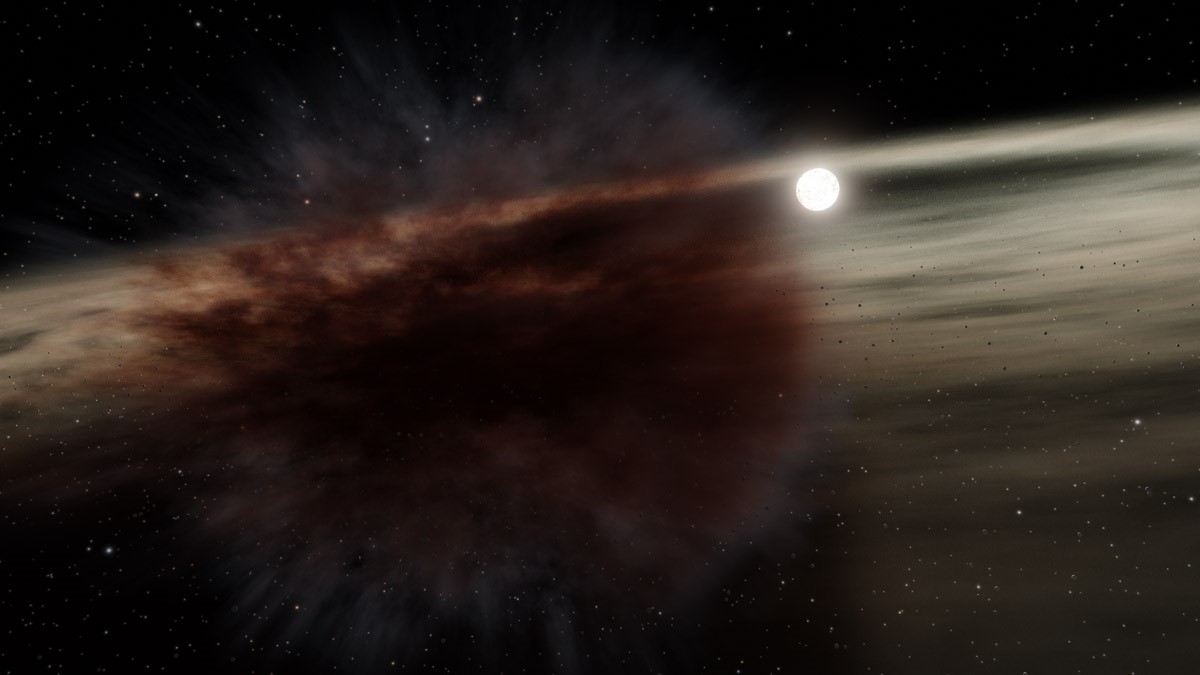
A massive debris cloud visualized by NASA's Spitzer Space Telescope, illustrating the chaotic aftermath of orbital collisions. Credit: NASA/JPL-Caltech.
Why Mission Planners are Losing Sleep
If you’re planning a mission today, you aren’t just worried about your rocket blowing up on the pad. You’re worried about a 1-centimeter bolt: traveling ten times faster than a bullet: punching a hole through your billion-dollar sensor.
The reality of modern space exploration is that we are launching more than ever. While that's great for innovation, it means the "critical mass" Kessler warned us about is closer than we’d like. Current estimates suggest there are over 500,000 pieces of debris the size of a marble orbiting Earth right now. For a satellite operator, that’s 500,000 potential mission-ending accidents.
The Problem with "Dead" Satellites
One of the biggest contributors to Kessler Syndrome isn't actually active satellites; it's the "zombies." These are defunct satellites that have run out of fuel or suffered a malfunction. They can't move out of the way. They just sit there, drifting, waiting to be part of a high-speed collision. This is why "active debris removal" and "end-of-life de-orbiting" have gone from "nice-to-haves" to legal requirements in many jurisdictions.
The Path Forward: Sustainability in Space
We like to think of space as infinite, but the usable orbits around Earth are a finite resource. Just like we have to manage the environment on the ground, we have to manage the environment in the sky.
Avoiding Kessler Syndrome isn't just about better shields or faster satellites; it's about better information. When every operator has a clear view of the orbital landscape, the risk of a "cascade" drops significantly. We’re moving toward a future where space traffic management is as routine as air traffic control.
Whether you're a university research team or a commercial satellite operator, the goal is the same: keep the orbital lanes open for the next generation.
Want to see your orbit in 4K?
The Helvarix Orbital Platform is currently helping missions stay safe, tracked, and on-course. If you want to see how our real-time visualization and collision avoidance tools can protect your assets, check out our Technical Tools section or dive into our Publications for more deep dives into orbital mechanics.
Don't let your mission become a footnote in the history of space junk. Let’s keep the "traffic jam" on the ground and the stars within reach.
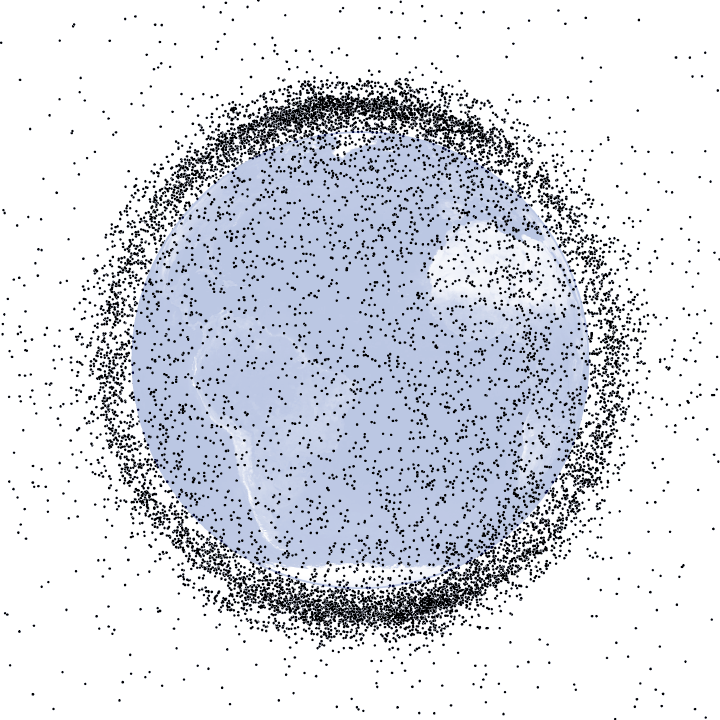
Helvarix Systems builds the simulation and observation infrastructure for the next era of space exploration. From planetary simulators to global sensor arrays, we provide the data that fuels discovery.
Comments